Ice management is treating drives, walks and steps before and after a storm so they stay walkable: rock salt for most surfaces, sand for traction in deep cold, and non-sodium melts like calcium or magnesium chloride near plants. UMass Extension notes non-sodium deicers cost more but injure plants less, and salt mixed with sand cuts the amount used.
Updated November 11, 2026
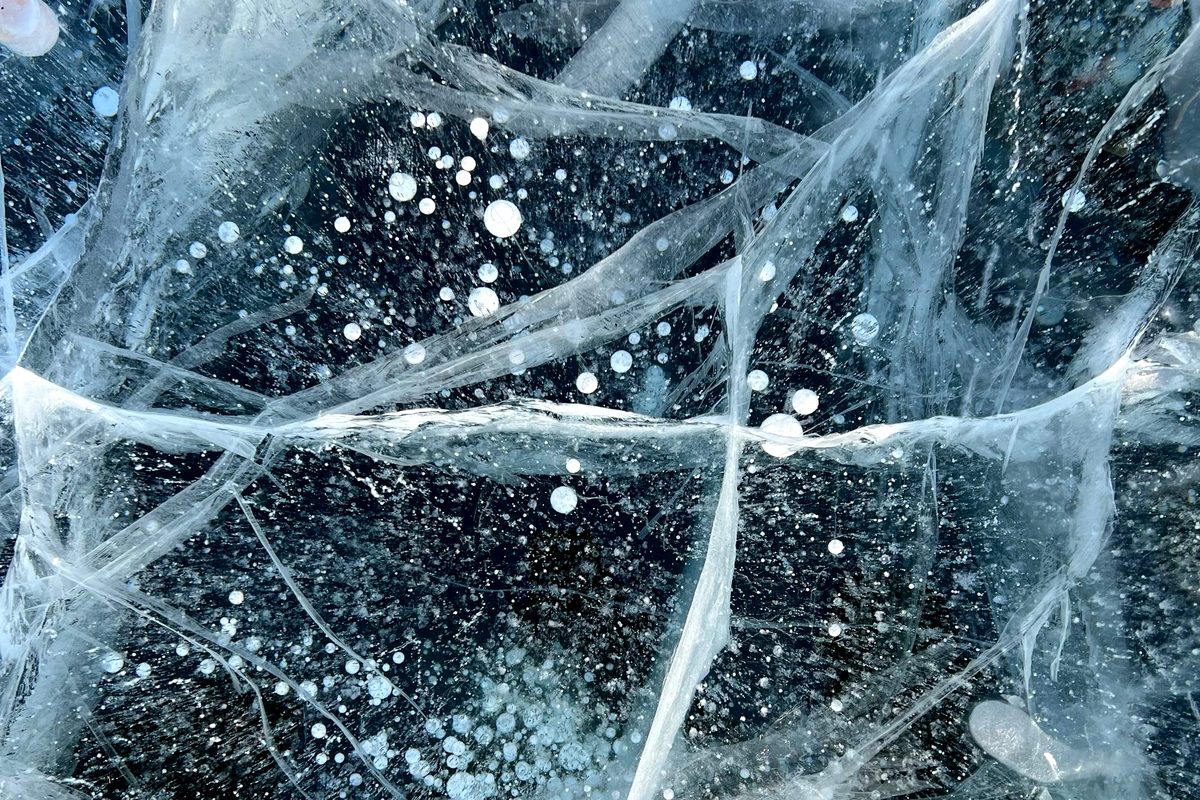
Depth gets the attention. Ice is what causes the falls, and in Massachusetts and Rhode Island alike, a fall on an untreated walk can become the owner's problem.
| Material | Use | Watch for |
|---|---|---|
| Rock salt (sodium chloride) | Most driveways and walks | Burns plants on the side facing the walk; damages young or poor concrete |
| Calcium or magnesium chloride | Steps, walks next to beds, colder nights | Costs more; still use sparingly |
| Sand or grit | Traction, steep Fall River driveways | Tracks inside; sweep in spring |
| Salt-sand mix | Cuts salt use | UMass recommends mixing to reduce the amount |
UMass Extension says salt spray burns buds and twigs mostly on the side facing the road or walk, and the damage often doesn't show until spring. Salt applied in late winter does more harm because it has less time to leach before roots wake up; heavy watering in spring can flush it from well-drained soil. Ask for treatment on the pavement, not the beds. More in salt versus sand.
Massachusetts owners owe visitors reasonable care for snow and ice since Papadopoulos v. Target (2010). Rhode Island generally lets owners wait until a reasonable time after a storm ends, absent unusual circumstances. Either way, treated walks are the practical answer. See RI vs MA liability; we're not lawyers.
We're a referral service: one local crew gets your request and quotes ice management in writing.
It can be. UMass Extension says sodium salts burn plants and build up in soil; non-sodium melts injure less. Keep salt on the pavement and water heavily in spring.
Very new concrete and poorly finished surfaces are most at risk. Ask for sand or a calcium or magnesium melt on newer surfaces.
Only if your written terms say so. Many homes do steps and walks every time and the driveway only when it glazes.
Tell us the address and what needs clearing. One local crew in Bristol calls to confirm and puts the terms in writing before the first storm.
Plain, sourced answers about snow in Bristol and the East Bay, and one introduction to a local crew when you want the driveway, walks and ice handled.
East Bay Snow Removal is an independent referral service, not a snow removal contractor. We don't plow, shovel, schedule or price work; the local crew we connect you with handles all of that directly with you and is responsible for its own insurance. We are not lawyers; nothing here is legal advice.
© 2026 East Bay Snow Removal.
