An ice dam forms when heat escaping from the house melts snow on the upper roof and the water refreezes at the colder eaves, so meltwater backs up under the shingles and leaks inside. After a heavy storm, pull snow off the lower few feet of the roof with a roof rake from the ground, never chip at the ice, and fix attic air leaks and insulation before next winter.
Updated November 11, 2026
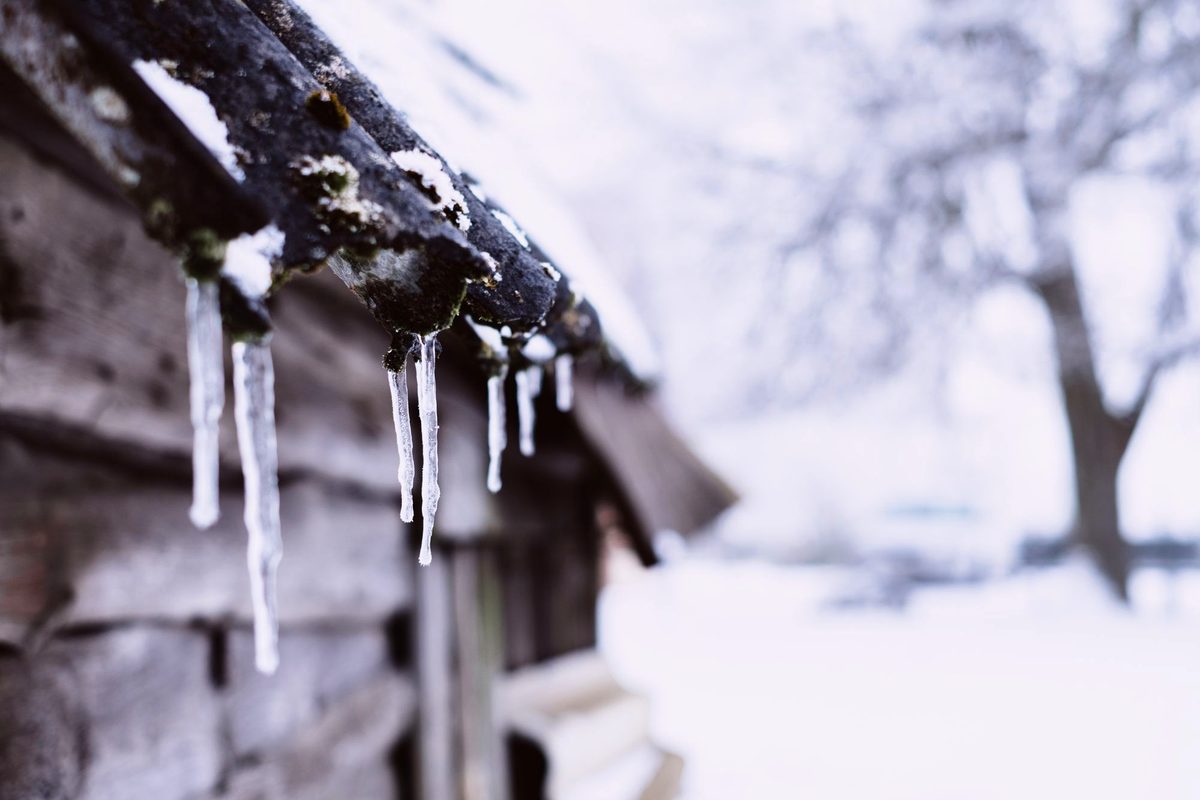
Winter 2025-26 was the snowiest on record at Providence. Plenty of East Bay ceilings found out what an ice dam is. Here's how to keep it from happening twice.
UMass Amherst's building technology program puts it simply: you need snow, heat to melt it and cold to refreeze it. Heat leaking up from the living space keeps the upper roof deck above freezing, while the overhang stays cold. Meltwater runs down under the snow, freezes at the eaves and builds a ridge of ice. Water then pools behind that ridge and works its way under the shingles.
Deep snow makes it worse, because the snow itself insulates the roof and holds that heat in. Small holes around light fixtures, attic hatches, chimneys, bath fans and plumbing let a surprising amount of warm air into the attic.
The fix is in the attic, not on the roof. UMass recommends sealing air leaks into the attic first, then continuous ceiling insulation (at least R-38 in cold climates) and soffit-to-ridge ventilation to keep the roof deck cold. A self-adhering ice barrier under the shingles at the eaves, valleys and around chimneys is a second line of defense when the roof is replaced.
A local crew can pull snow off the lower roof edge with rakes from the ground, clear the walks and steps where icicles and meltwater refreeze, and salt the drip line under the eaves so nobody slips there. Attic repairs and roofing belong to a roofer or insulation contractor. We're a referral service: send the address and what you're seeing, and one local crew calls back.
No. UMass Amherst warns that chipping with hammers or shovels does more damage to people and roofs than the dam itself. Rake the snow behind it instead and call a roofer for the ice.
Mass.gov advises against ladders in icy conditions and suggests hiring professionals; a roof rake from the ground handles the lower edge, where dams form.
They can keep a channel open at the eaves, but the cause is heat and air leaking into the attic; UMass recommends air sealing, insulation and ventilation as the real cure.
Flat and low-pitched roofs, according to Mass.gov's roof collapse guidance.
Tell us the address and what needs clearing. One local crew in Bristol calls to confirm and puts the terms in writing before the first storm.
Plain, sourced answers about snow in Bristol and the East Bay, and one introduction to a local crew when you want the driveway, walks and ice handled.
East Bay Snow Removal is an independent referral service, not a snow removal contractor. We don't plow, shovel, schedule or price work; the local crew we connect you with handles all of that directly with you and is responsible for its own insurance. We are not lawyers; nothing here is legal advice.
© 2026 East Bay Snow Removal.
